

- Business Pivots, Entrepreneurship, Marketing, Online Business, Selling
Why You Need A PR Strategy To Close The Recognition Gap And Get Yourself Seen
- By itssophiebiggerstaff.com
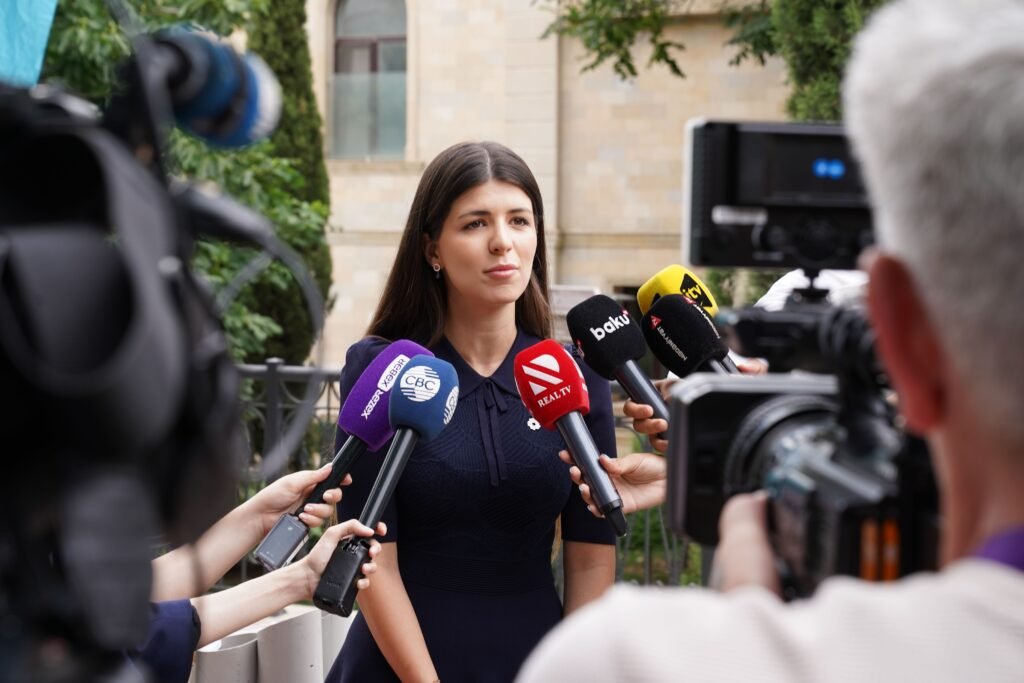
Share this post:
The Recognition Gap Is Real - And Your PR Strategy Is The Bridge
If you have ever looked around at people in your industry and wondered how they are getting all the attention when you are sitting there doing genuinely better work, you are experiencing the recognition gap – and it is more common than you think. The recognition gap is the distance between how good you actually are and how known you actually are. And the reason most brilliant, dedicated, hardworking women I know are stuck in it is not because they are not talented enough. It is because they do not have a PR strategy that works for them, and their messaging is not landing the way it needs to. That combination – invisible and unclear – is a slow business killer.
In 2026, brand visibility is not optional. It is literally how strangers become clients. It is how people decide to trust you before they ever spend a penny with you. It is how you go from being a well-kept secret in your niche to being the obvious choice. And yet most people I work with are pouring everything into social media posts, hoping something sticks, while the people with less experience but better PR strategy are being invited onto podcasts, featured in publications, and getting recognised as the experts they are not quite yet.
This is where media relations and strategic brand visibility come in – not the flashy ego-driven kind, not the slap-it-on-your-website Forbes badge that means nothing to your actual audience, but the real, trust-building kind. The kind that shortens your sales cycle, compounds your credibility, and helps the right people find you faster.
What A PR Strategy Actually Is - And Why It Closes The Recognition Gap
PR strategy is not just about publicity. It is about how you want people to think, talk, and speak about your brand when you are not in the room. It is about shaping a narrative so clear and so consistent that the right people immediately understand who you are, what you do, and why you are the obvious choice. Good PR strategy is training your audience and borrowed platforms – podcasts, publications, media outlets – to introduce you in rooms you are not in.
Here is the thing about the recognition gap that trips most people up: being good at what you do is not the same as being legible to the people who need you. You could be the best pizza place on the street, but if no one knows you exist, the mediocre spot down the road with better brand visibility is the one getting the customers. Your work is not going to speak for itself. I know that feels unfair. I know it is frustrating. But waiting to be discovered is not a strategy – it is a slow bleed.
Brand visibility through media pitching and media relations builds trust in a way that social media alone simply cannot. When a credible platform – a podcast, a publication, a media outlet – puts your name in front of their audience, you instantly borrow their credibility. That audience already trusts that platform. So by extension, they begin to trust you – before they have even visited your website. And when they do visit your website and see those media mentions stacked up, it compounds. It snowballs. The recognition gap starts to close.
If you are in the early stages of building your business and want to get this right from day one, the Freedom Method Foundations programme has an entire module on PR strategy and brand visibility woven in. Enrol in the programme here and let’s build this properly from the start.
Why Most People Get Their Media Pitching All Wrong
When people do finally decide to try media pitching, they tend to make the same mistakes. They either wait until they feel ready – which is always too long – or they chase platforms that have nothing to do with where their actual audience lives. Here is what good media pitching actually looks like, and what it does not:
- Know your goal before you pitch anything. Do you want to sell a digital course to aspiring founders? Do you have a product launching? Your goal shapes where you go. If your audience is busy, on-the-move entrepreneurs, they are probably not sitting down with a print magazine. They have earphones in. Podcasts are your lane. If you have a visual product, you need media relations with outlets that show things. Match the medium to the audience – always.
- Your pitch does not need to be long. Five to seven clear, tight sentences. Who you are, what you do, why it matters to their audience right now. That is it. No jargon. No five-paragraph press release. Journalists and podcast hosts are busy. Respect their time and make it easy to say yes.
- Follow up without apology. If you send a pitch and hear nothing, wait five to seven days and follow up – same email, new subject line, one or two fresh sentences. Do this three times maximum. If there is still no response, the angle might be wrong, the timing might be off, or you might have the wrong contact. Pivot and try again.
- Find your media contacts simply. Google what you want to be known for. Click the news tab. Every outlet currently covering your topic will appear, complete with journalist names. That is your starting point. You do not need a database of 50,000 contacts. Five to ten targeted, relevant contacts is enough to begin building real media relations.
- Stop chasing ego placements. If your ideal client is not reading Forbes, being in Forbes is not a PR strategy – it is vanity. Ask yourself honestly: where does my audience actually spend time? Where are they listening, reading, watching? That is where your brand visibility efforts belong.
- Credibility compounds – but only if you start. One well-placed podcast appearance or media mention will do more for your recognition gap than a hundred social posts. But you have to begin. And you have to be consistent.
The Seasonality Of PR Strategy - And Why Timing Matters For Brand Visibility
One of the biggest misconceptions I see with PR strategy is that it is something you bolt on later, once you are bigger, once you hit a certain revenue number, once the product is really polished. That thinking keeps brilliant people invisible for years. Brand visibility is not a reward for reaching a milestone. It is the fuel that helps you reach one.
And there is a very real seasonality to media relations that most entrepreneurs miss entirely. Print magazines – particularly lifestyle and consumer publications – work three to four months ahead. If you want to be in a Christmas gift guide, you need to be pitching in July. If you wait until November, you have already missed it. I have seen this happen again and again, particularly with e-commerce and product businesses who leave media pitching as an afterthought and then wonder why the coverage never comes.
The way to avoid this is to build your PR strategy into your content and launch planning from the start of the year – not as a separate task, but as part of the same calendar. Here is what strategic brand visibility planning looks like:
- Map your launches, sales cycles, and key business moments across the year
- Identify the seasonal hooks and cultural moments relevant to your niche and your audience
- Build your media pitching calendar alongside your content calendar so they support each other
- Plan at least three months ahead for long-lead publications and two to four weeks ahead for podcasts and digital outlets
- Accept that PR strategy works best when it is already in motion before you desperately need results
The recognition gap does not close overnight. But it does close consistently, if you treat brand visibility as an ongoing strategic asset rather than a one-off panic tactic. The businesses that do media relations well are the ones that are always pitching something, always showing up in the right places, always adding another proof point to their credibility profile.
If you want support building a business that has this kind of intentional, strategic foundation built in from the beginning, the Freedom Method Foundations programme is exactly where you start. It is designed for women who are done with busywork and ready to build something that actually works.
Common Questions About The Recognition Gap, PR Strategy, and Brand Visibility
What is the recognition gap and how does it affect my online business?
The recognition gap is the gap between how skilled you are and how known you are. For online business owners, it means clients are choosing less capable competitors simply because those competitors have better brand visibility and PR strategy working for them. Closing the recognition gap is not about doing more – it is about being strategically seen in the right places with the right message.
Do I need a big following or a big budget to start a PR strategy?
No. A PR strategy does not require a huge audience or an agency retainer. It requires clarity – knowing who you are, who you serve, and why it matters right now. You can start with five to ten targeted media pitching contacts, one platform where your audience actually lives, and a five to seven sentence pitch. That is enough to begin closing the recognition gap.
What is the difference between marketing and PR strategy when it comes to brand visibility?
Marketing promotes your offer. PR strategy builds trust and shapes how the world perceives you. Brand visibility through media relations is borrowed credibility – you appear in spaces that already have trust with your audience, and that trust transfers to you. Marketing says “I am great.” PR strategy gets credible platforms to say it for you.
How does media pitching actually help shorten a sales cycle?
Research consistently shows it takes multiple touchpoints before someone buys. Media pitching accelerates this by stacking credibility – if a potential client sees your name across multiple podcasts, publications, and media relations placements, by the time they land on your website, a significant portion of that trust has already been built. The recognition gap narrows, and the decision to buy becomes easier and faster.
How do I know which PR strategy and media pitching opportunities are right for my business?
Start with your audience. Where are they actually spending their time? What are they listening to, reading, watching? The most effective PR strategy for a service-based online business is almost always podcast media pitching because your audience is on the move and consuming audio. Once you know where your audience is, reverse-engineer your media relations outreach to meet them there. Do not pitch Forbes because it sounds impressive. Pitch the two or three platforms where your actual people are.
Start building your visibility-first business inside Freedom Method Foundations – the programme that includes a full module on PR strategy so you get this right from the very first day.
Close The Recognition Gap With A PR Strategy That Actually Builds Brand Visibility
The recognition gap between how good you are and how known you are is absolutely closeable – but it will not close by accident. A clear, consistent PR strategy that prioritises the right media relations, targeted media pitching, and genuine brand visibility in the places where your actual audience lives is what bridges that gap. Clarity of message matters more than quantity of placements. Consistency matters more than one viral moment. And starting before you feel ready matters more than waiting until everything is perfect. If you are building an online business and you want to stop being a brilliant secret and start being the obvious choice, the Freedom Method Foundations programme is where we do this work together – PR strategy, messaging clarity, scalable systems, and all of it built around a business and a life that actually feels like freedom.

meet the writer
I'm Sophie
Online business coach, podcast host, mental health advocate, speaker, founder of TINAH, community builder, full-time digital nomad, and general trailblazing, rule breaker…
I tried to live a “normal” life: I spent 11+ years working my way up in the fashion industry, working for brands like Ralph Lauren and Burberry. I had the apartment in the city, I lived for going out at the weekends, spent money on designer bags and holidays – until I realized this lifestyle DID NOT FULFIL ME – I was waking up with anxiety every day – surviving, but definitely not thriving.
So I quit. I left my 9-to-5 behind to start an online business that supported the lifestyle I actually wanted. Now that looks like slow mornings, daily beach walks, co-working with like-minded entrepreneurs, yoga, meditation, and lots of social connections.
Since 2020, I’ve built multiple online business offers – from online business coaching and consulting to online courses, digital products, and a mental health marketplace – all while travelling the world and living life, and earning money on my own terms.
Now… I’m on a mission to help more people break free from lives that don’t feel good for them and create more freedom through starting and growing an online business.
You might also like:

if you loved this post
read more
- All
- Business Pivots
- Digital Nomad
- E-Commerce
- Entrepreneurship
- Marketing
- Mindset
- Networking
- Online Business
- Selling
- Side Hustle

How To Start An Online Business When Fear Of Failure Is Holding You Back

Followers DO NOT Equal Community – This Is What Real Community Building Looks Like.

Why I Really Quit My 9-5 After Corporate Burnout

How To Build A $1 Million Online Business Without Hustle Culture

How to Start an Online Business in 2026 (And Why It’s Not Too Late)

How To Work From Anywhere In The World By Building The Right Online Business
Why You Need A PR Strategy To Close The Recognition Gap And Get Yourself Seen

How to Build a Second Brain: AI Strategy for Solopreneurs
How To Start an Online Business From Scratch (Without Writing a Business Plan)

How To Start A Business With No Money or Experience (And Why Your Excuses Are Just Fear In Disguise)

How To Quit Your 9 to 5 And Build an Online Business That Replaces Your Salary

How to Reduce Decision Fatigue and Overwhelm As A Female Entrepreneur

How to Build a Personal Brand That Survives the AI Era

AI for Beginners: A Simple Guide on How to Use ChatGPT for Small Business

Build a Sustainable Business Model That AI Can’t Kill: Steal My Freedom Business Strategy

How To Increase E-Commerce Sales With Email Marketing